

Understanding RV Water Pressure & Why You Need a Regulator
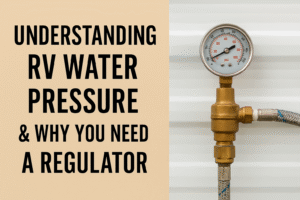
Water pressure is one of those things RVers rarely think about—until something goes wrong. But behind the scenes, it plays a huge role in protecting your plumbing, appliances, and fixtures. At Cape Kennedy RV Resort, our guests enjoy reliable water service, but pressure can still fluctuate depending on demand, maintenance cycles, and local municipal conditions. This is why every RVer should understand how water pressure works and why a regulator is more than just a convenience—it’s an essential safeguard for your RV.
Unlike a house, an RV plumbing system is compact and built with lightweight components. Pipes, fittings, valves, and connections inside an RV are not designed to withstand very high pressure. If the incoming water pressure rises above what the RV can handle—even for a moment—it can cause leaks, burst hoses, damaged faucets, or ruined water heaters. A simple water pressure regulator prevents that kind of catastrophic damage.
Water pressure varies widely from campground to campground, and even within the same campground throughout the day. Municipal systems can spike due to hydrant testing, system flushing, or changes in local demand. At busy times—like mornings or evenings—pressure may fluctuate significantly. Because these spikes happen suddenly and without warning, relying on “it seems fine” simply isn’t enough.
A water pressure regulator acts as a buffer between the campground’s water system and your RV’s plumbing. It reduces high incoming pressure to a safe, consistent level. Most RVs operate safely around 40–50 PSI, though some can handle slightly more. Without a regulator, pressure surges can force their way into your plumbing system and cause damage before you even turn on a faucet.
There are two common types of regulators: inline fixed regulators and adjustable high-flow regulators. Fixed regulators are simple, affordable, and provide basic protection. Adjustable regulators allow you to set a precise PSI level and often include gauges, giving RVers more control and visibility. High-flow adjustable units are especially helpful for larger RVs that need strong water pressure while still maintaining safety.
Another benefit of using a regulator is protecting appliances like water heaters, washing machines, dishwashers, ice makers, and tankless hot water systems. These appliances rely on stable pressure to work correctly. High pressure can strain seals, shorten appliance lifespan, or cause internal leaks. A regulator ensures consistent operation and prevents unnecessary wear.
Your RV’s plumbing fittings—often plastic or lightweight PEX—are particularly vulnerable to pressure spikes. Even if your RV is brand new, high water pressure can push connections past their limits. A small leak may go unnoticed for days, causing hidden water damage. Preventing these leaks with a regulator is much cheaper than repairing water-soaked subfloors or wall panels.
Regulators also improve comfort by stabilizing water flow. Without one, pressure can jump from too weak to too strong when nearby campers turn water on or off. With a regulator installed, the water flow inside your RV stays predictable. Shower temperature remains steady, faucets run smoothly, and your water pump doesn’t have to compensate for extreme fluctuations.
Some RVers believe that because a resort has “good plumbing,” they don’t need a regulator. That’s a myth. Even the best campgrounds rely on municipal water systems, and municipalities regularly adjust pressure for maintenance, fire department needs, or seasonal demand. A campground cannot control sudden upstream changes—and that’s why protection must start at the RV itself.
A regulator also protects you when you travel between different regions. Water pressure varies significantly across Florida and even more across the U.S. What feels normal in one place might be dangerously high in another. Making a regulator part of your standard setup ensures your RV is safe no matter where you go after leaving Cape Kennedy RV Resort.
Maintenance for a regulator is minimal. Periodically check the screen for debris, ensure seals are tight, and replace units that show signs of corrosion or wear. Adjustable regulators should be calibrated occasionally to ensure accuracy. With basic care, your regulator will last for years and continue protecting your RV’s plumbing system.
Using a water pressure regulator is one of the simplest, most affordable ways to safeguard your RV. Whether you’re parked at Cape Kennedy RV Resort enjoying warm Florida weather or traveling long distances, a regulator ensures your plumbing remains safe, functional, and leak-free. It’s a small tool that prevents big problems—helping you enjoy your RV lifestyle without unnecessary stress or repairs.
📍1880 Williams Rd, FL
For any questions or concerns please reach out to us
📞 (863) 675-0006