

Understanding RV Insurance: What Actually Gets Covered
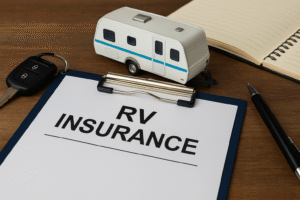
RV insurance can feel confusing, especially for first-time owners who assume it works just like auto insurance. While RV policies share some similarities with car coverage, they also include unique protections designed for life on the road. Understanding what’s truly covered—and what isn’t—helps RVers protect their investment and travel confidently to destinations like Meadowlark Shores RV Resort.
Many RV owners are surprised to learn that standard auto insurance only covers liability when towing a travel trailer. Liability pays for damage you cause to others, but it does not repair your own RV or cover your personal belongings. This is why dedicated RV insurance is so important, even for towable units.
Comprehensive and collision coverage work much like auto insurance: comprehensive protects you from theft, fire, weather damage, and vandalism, while collision pays for damage from an accident. RVers frequently rely on comprehensive coverage in Florida, where storms, wind, and falling debris pose real risks during hurricane season.
One area RVers often misunderstand is personal property coverage. Unlike auto insurance, RV policies can cover items like clothing, electronics, camping gear, cookware, and tools. This is essential for travelers who treat their RV like a second home, especially during long stays at waterfront resorts.
Many policies also include total loss replacement for newer RVs. If your RV is totaled within the first few years, some insurance plans will replace it with a brand-new model rather than paying depreciated value. This benefit can save owners thousands of dollars after a major loss.
Full-timer coverage is another unique option. RVers who live in their rig full-time need enhanced liability protections similar to homeowners insurance. This includes medical coverage for guests injured at your campsite and higher limits for personal liability.
Some RV owners assume roadside assistance is automatically included, but many insurers offer it as an add-on. RV-specific roadside plans cover large-vehicle towing, tire changes for multi-axle trailers, locksmith services, winching, and mobile mechanics—services that standard roadside plans may refuse.
Another key feature is vacation liability. This protects you if someone is injured around your RV while it’s parked at a campground. Without vacation liability, you may have no coverage for accidents that happen outside the road but not inside the RV itself.
Policies may also cover emergency expenses such as lodging, food, and transportation if your RV becomes unlivable during a trip. This protection is especially valuable for travelers far from home or for seasonal guests who rely on their RV as their temporary residence.
Many RVers overlook coverage for attached accessories. Awnings, satellite dishes, solar panels, outdoor kitchens, and even permanently mounted grills can be included in your policy. These items are costly to repair and common targets of wind damage.
RV insurance can also cover trailer towing and storage mishaps. If your rig is damaged while being towed, backed into a pole, or sideswiped in storage, you’re protected as long as you carry comprehensive and collision on the RV itself.
It’s important to know what isn’t covered. Normal wear and tear, water damage from poor maintenance, mold, and rodent infestations are typically excluded. Regular inspections, seal checks, and preventative maintenance remain essential responsibilities of every RV owner.
By understanding what RV insurance truly covers, travelers can choose a policy that protects their rig, their belongings, and their financial peace of mind. With the right coverage, RVers can enjoy stress-free adventures and relaxing stays at Meadowlark Shores RV Resort—knowing they’re protected no matter what the road brings.
📍1880 Williams Rd, FL
For any questions or concerns please reach out to us
📞 (863) 675-0006