

Understanding RV Air Conditioning & How to Improve Cooling Efficiency
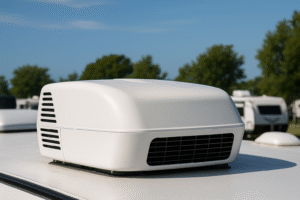
RV air conditioning is one of the most important comfort features in any rig—especially in warm, humid climates like Florida’s Space Coast. Whether you’re spending the winter at Cape Kennedy RV Resort or traveling through hot regions, understanding how your RV AC works helps you stay cool, protect your equipment, and avoid unnecessary strain on your electrical system. RV AC units differ from residential systems, so knowing their limitations and how to boost efficiency makes a big difference in your comfort.
RV air conditioners are compact, roof-mounted systems designed to cool small spaces using minimal power. Most RVs use 13,500 or 15,000 BTU units that pull air over cold evaporator coils and circulate it through the cabin. Because they run on 120-volt power, these units are efficient—but they’re also limited by outdoor temperature, humidity levels, and the insulation of your RV. In high heat, they work hard, and sometimes struggle to meet demand.
One important thing to understand is that RV AC systems are not designed to cool your RV to the same level as a home AC. Most perform best when lowering the interior temperature by about 15–20 degrees below outside conditions. On a 95° Florida afternoon, that means around 75°–80° inside is completely normal. Expecting more than that can lead to frustration or incorrect troubleshooting.
Humidity is another factor. Florida has some of the highest humidity in the country, and moisture in the air makes cooling much harder. RV AC units cool and dehumidify at the same time, so when humidity is high, the system has to work overtime. Running the AC earlier in the day—before temps peak—helps the system stay ahead instead of fighting to catch up.
Maintenance plays a major role in AC performance. Dirty filters, dusty coils, or clogged return vents restrict airflow and force the AC to work harder. Cleaning or replacing filters monthly, removing debris from rooftop coils, and keeping vents unobstructed significantly improves efficiency. A clean system cools faster, quieter, and more consistently.
Airflow inside your RV matters, too. Closed interior doors, blocked vents, and poor circulation create hot spots. Running ceiling fans or small portable fans helps distribute cold air evenly. Opening interior doors allows the AC to cool the entire RV instead of just one area. Simple airflow adjustments dramatically improve comfort during Florida’s warm months.
Shading your RV exterior helps more than most people realize. Direct sunlight on windows and slideouts raises interior temperatures quickly. Using reflective window shades, blackout curtains, or exterior sunshades reduces heat load and makes it easier for your AC to keep up. Parking with your awning or slideout facing east helps reduce afternoon heat gain.
Insulation upgrades also improve cooling performance. Soft-start kits allow AC units to run more smoothly on campground power, and upgraded roof insulation or reflective roof treatments help reduce heat absorption. Even adding vent pillows in skylights prevents hot air from radiating downward into the RV. Small improvements add up to much better cooling efficiency.
Your electrical setup also affects AC performance. At Cape Kennedy RV Resort, each site offers dependable power, but voltage can fluctuate in busy campgrounds everywhere. Using a surge protector or EMS (Electrical Management System) ensures your AC receives safe, stable voltage. Low voltage is harmful for air conditioners and causes poor cooling, overheating, or even motor failure.
Keeping doors and windows closed tightly is another key habit. Even a small gap allows humid outside air to enter, making the AC work harder and reducing cool air circulation. Checking seals around doors, windows, and slideouts helps prevent air leaks that compromise efficiency.
If your RV has multiple AC units, running both simultaneously during the hottest hours of the day is more effective than using only one and letting the interior heat up. Once the RV is cooled, you can often turn one unit off or raise the thermostat. Staggering AC usage prevents overheating and improves overall performance.
Finally, being proactive is the best strategy. Turn on your AC before your RV gets hot. It’s easier for a system to maintain temperature than to drop it dramatically once heat and humidity build inside. Guests at Cape Kennedy RV Resort often find that starting their AC mid-morning leads to better comfort all afternoon.
Understanding how your RV air conditioner works—and how to support it—helps you stay cool even in Florida’s warmest months. With simple maintenance, smart shading, good airflow, and efficient energy habits, your AC will run stronger, last longer, and keep your RV comfortable throughout your stay on the Space Coast.
📍1880 Williams Rd, FL
For any questions or concerns please reach out to us
📞 (863) 675-0006