

Solar Power for RVs: Is It Worth It and How Much Do You Need?
Solar power has become one of the most popular upgrades among RVers, and for good reason. It offers energy independence, quieter power, and long-term savings while reducing reliance on generators or campground hookups. Whether you’re planning extended off-grid travel or simply want a reliable backup system while staying at Cape Kennedy RV Resort, understanding solar power helps you decide whether it’s worth the investment—and how much you actually need.
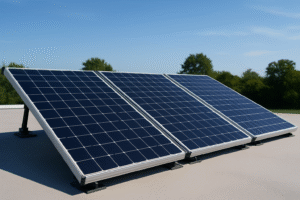
Solar power for RVs works by converting sunlight into electricity using rooftop panels or portable solar kits. That energy is stored in your RV’s battery bank and used to run 12-volt systems, inverters, and certain appliances. The beauty of solar is its simplicity: once installed, it generates quiet, clean energy without fuel, fumes, or moving parts. But its effectiveness depends heavily on your travel style and energy usage.
The first question RVers must consider is whether they truly need solar. If you spend most of your time at full-hookup resorts like Cape Kennedy, solar may not be a necessity. However, if you boondock, camp in remote areas, attend festivals, or travel long distances between parks, solar becomes incredibly valuable. It keeps your batteries charged without needing a generator running for hours each day.
Another benefit of solar is the ability to maintain your batteries while in storage. Batteries degrade when left uncharged for long periods. A small solar setup can keep them topped off year-round, preserving lifespan and preventing expensive replacements. This is especially helpful in Florida’s warm climate, where batteries naturally degrade faster.
To determine how much solar you need, start with your daily power consumption. Lights, fans, water pumps, and electronics draw relatively little power. But high-demand appliances—like air conditioners, microwaves, coffee makers, or hair dryers—require large amounts of energy that solar alone cannot usually sustain. Most RV solar systems are designed to support 12-volt systems and moderate inverter usage—not full electric living.
A typical weekend or moderate-use RVer may only need 200–400 watts of solar paired with a pair of deep-cycle batteries. This setup handles lights, device charging, water pump use, and small electronics comfortably. More serious boondockers often move to 600–1,000 watts of solar with lithium batteries and a larger inverter. This supports extended off-grid living and more frequent appliance use.
Lithium batteries have become the gold standard for RV solar systems. They offer deeper discharge, faster charging, lighter weight, and longer lifespan compared to traditional lead-acid batteries. Although more expensive upfront, lithium batteries maximize the value of a solar system and improve overall efficiency—especially in Florida heat, where they perform better than traditional batteries.
Portable solar panels, also known as “solar suitcases,” offer a flexible alternative to rooftop systems. They allow you to park in the shade while placing the panels in the sun. This is useful in hot climates like Cape Kennedy RV Resort, where keeping the RV cool is a priority. Portable kits are budget-friendly, easy to store, and ideal for beginners.
A complete solar setup requires more than panels. You also need a solar charge controller, which regulates incoming energy and protects your batteries. Many RVers choose MPPT controllers for their higher efficiency. An inverter is also necessary if you plan to run 120-volt appliances. Finally, proper wiring and mounting hardware ensure your system operates safely and reliably.
One common misconception is that solar can run an RV air conditioner. In reality, most RV air conditioners require far more power than a solar system can supply unless you install an extremely large and expensive setup. Solar is best used for battery charging and everyday 12-volt needs—not heavy-duty climate control.
So, is solar worth it? For many RVers, absolutely. It offers freedom, quiet power, reduced generator hours, and long-term reliability. But for those who stay primarily at full-hookup resorts like Cape Kennedy, a smaller system—or even no solar at all—may be perfectly adequate. The best approach is choosing a setup that supports your travel style, energy habits, and long-term goals.
Solar power is an investment in convenience and independence. Whether you’re exploring off-grid campsites, enhancing your boondocking capabilities, or simply keeping your batteries healthy, a well-designed solar system can elevate your RV lifestyle and give you confidence wherever the road leads on the Space Coast and beyond.
📍1880 Williams Rd, FL
For any questions or concerns please reach out to us
📞 (863) 675-0006