

Safe Water Use: Why You Should Always Sanitize Your Hose & Spigot
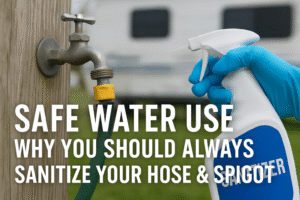
Clean, safe water is something every RVer depends on—whether for drinking, cooking, showering, or simply washing up after a day exploring Florida’s Space Coast. But many RV owners don’t realize how easily water sources can become contaminated, and how simple habits can protect their health and plumbing. At Cape Kennedy RV Resort, we prioritize safe water use, but sanitizing your hose and spigot is an essential step every guest should take when connecting to any campground water supply.
Your freshwater hose is the direct pathway between the campground’s water system and your RV’s plumbing. Over time, hoses collect dust, pollen, dirt, mold spores, and bacteria—especially when stored on the ground, coiled damp, or left attached after travel. Even a clean-looking hose can harbor contaminants inside the tubing or around the fittings. Regular sanitizing keeps everything safe, clean, and free of harmful buildup.
Spigots are another overlooked source of contamination. Because they are exposed to the elements, campground spigots can accumulate dirt, insect residue, rust, mildew, or bacteria from weather exposure and repeated use by different RVers. Sanitizing the spigot before hooking up your hose ensures you’re not introducing contaminants directly into your RV’s water line.
Many RVers also forget that hoses stored outdoors or in warm compartments—especially in humid areas like Cape Kennedy—can develop mold and biofilm inside. Biofilm is a slimy residue caused by bacteria that thrive in moist environments. Once it forms, it becomes increasingly difficult to remove without a proper sanitizing routine. Preventing biofilm buildup is far easier than trying to fix it later.
Sanitizing your hose is simple and only takes a few minutes. A quick wipe with a diluted bleach solution or sanitizing spray removes bacteria from the ends, and filling the hose with a safe bleach mixture eliminates internal contamination. Letting the solution sit for several minutes ensures thorough sanitation before flushing it with clean water. This quick process eliminates pathogens that could enter your RV’s freshwater system.
Cleaning the campground spigot is just as important. A disinfecting wipe or sanitizing spray around the faucet threads removes dirt and bacteria instantly. This small step prevents those contaminants from entering your hose when you attach it. It also protects other RVers, since a clean spigot benefits everyone who uses it after you.
Using a dedicated RV freshwater hose is essential. Garden hoses contain chemicals not rated for drinking water and can leach contaminants into your tank or pipes. A proper drinking-water-safe hose ensures the water entering your RV stays clean, clear, and safe. These hoses also resist UV damage better—important for sunny Florida weather.
Sanitizing your entire RV water system regularly adds another layer of safety. Even with good hose and spigot habits, bacteria can grow inside your freshwater tank or lines over time. Sanitizing the full system a few times a year—or after long storage periods—keeps water fresh and prevents strange tastes or odors.
Water pressure regulators and filters also help ensure safer water use. A regulator prevents unsafe pressure spikes from damaging your plumbing, and an inline filter captures sediment, rust, and other contaminants. Combined with a sanitized hose and spigot, these tools give you the cleanest water possible at every site.
Good storage practices prevent hose contamination between trips. Allow the hose to dry completely before storing it, avoid coiling it while wet, and use protective caps on both ends to keep dirt out. Storing the hose off the ground or in a sealed bin also reduces the risk of insects crawling inside.
Spigots and hoses can also harbor chemicals or minerals depending on the local water supply. In coastal regions like Cape Kennedy, minerals and salt can accumulate on fittings, contributing to corrosion or buildup. Sanitizing removes these residues and helps preserve your RV’s fittings and filters.
Safe water habits protect your RV and your health. By routinely sanitizing your hose and spigot, you prevent bacteria, mold, and debris from entering your plumbing system. This simple practice keeps water clean, preserves the lifespan of your appliances, and ensures a safe, comfortable stay during your time on Florida’s Space Coast.
Clean water isn’t something to take for granted—especially when you rely on your RV’s internal system every day. With regular sanitizing, proper tools, and smart water practices, you can confidently enjoy safe, fresh water throughout your entire stay at Cape Kennedy RV Resort.
📍1880 Williams Rd, FL
For any questions or concerns please reach out to us
📞 (863) 675-0006