

RV Water Heaters: Electric vs. Propane vs. Tankless Systems
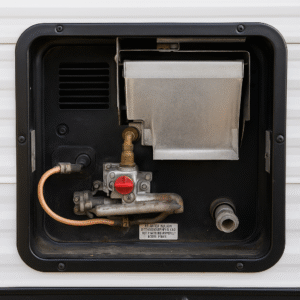
Hot water is one of the greatest comforts of RV living—whether you’re taking a warm shower, washing dishes, or cleaning up after a day exploring Florida’s Space Coast. RVs come equipped with different types of water heaters, each with its own benefits, limitations, and ideal usage scenarios. Understanding whether electric, propane, or tankless systems are the best fit for your travel style helps you stay comfortable during your stay at Cape Kennedy RV Resort or wherever your journey takes you.
Traditional RV water heaters typically come in 6- or 10-gallon tank models, using either propane, electricity, or a combination of both. These systems work similarly to a residential unit but on a smaller scale. They heat water inside the tank and keep it ready for use. While simple and reliable, they require recovery time—meaning you may run out of hot water if multiple people shower in a row.
Propane water heaters are among the most common, especially in older RVs or models designed for boondocking. Propane heats water quickly, making it great for off-grid camping or any situation where electrical hookups are unavailable. Propane models can heat water faster than electric-only units, especially in colder weather. For travelers who prefer flexibility or don’t always stay at full-hookup sites, propane remains a dependable option.
However, propane heaters do have limitations. They require proper ventilation, periodic cleaning of the burner assembly, and regular tank flushing to remove mineral buildup. Propane is also a consumable resource, so monitoring tank levels is essential—especially during long stays. Still, their efficiency and quick recovery time make them a favorite for many RVers.
Electric water heaters are ideal for RVers who stay at full-hookup resorts like Cape Kennedy RV Resort. With plenty of available power, switching your water heater to electric mode saves propane and provides quiet, consistent heating. Electric elements produce steady hot water, and when paired with propane in dual-mode units, recovery time improves significantly.
The downside to electric-only heating is slower recovery time, especially when multiple people need hot water in a short period. And if campground voltage drops—as it can during busy seasonal periods—electric performance may suffer. Still, for long-term stays or those who prefer conserving propane, electric mode is a cost-effective and convenient choice.
Tankless RV water heaters are becoming increasingly popular due to their promise of “endless hot water.” Instead of storing water in a tank, they heat water on demand as it passes through the system. This means longer showers, no recovery time, and better energy efficiency. For families or long-term travelers, tankless systems offer a home-like experience inside the RV.
Tankless units work best in campgrounds with strong water pressure and stable electricity or propane supply. At full-hookup resorts like Cape Kennedy, they perform extremely well. However, tankless heaters can struggle in low water pressure situations, and they require proper maintenance—especially descaling in hard-water regions. They are also more expensive upfront, though the comfort benefits often outweigh the cost.
When choosing the right water heater, consider your travel style. If you frequently boondock or camp in remote areas, propane models offer the best reliability. If you stay in resorts with consistent hookups, electric mode saves resources and provides quiet heating. If you want long showers and the closest experience to a residential system, tankless is the clear winner.
Energy management is another factor. Running a water heater—especially tankless—adds demand to your electrical system. Using an EMS (Electrical Management System) protects your RV from voltage issues and ensures your heater operates safely. Switching between modes during peak campground usage can help balance electricity across your RV.
Finally, regular maintenance keeps any water heater performing at its best. Flushing tanked heaters removes sediment, cleaning burner tubes ensures proper ignition, and descaling tankless systems prevents mineral buildup. Checking anode rods and inspecting seals also extends the lifespan of your heater and preserves water quality.
Choosing the right water heater ultimately depends on comfort preferences, camping habits, and energy availability. Whether you prefer the simplicity of propane, the convenience of electric, or the luxury of tankless, understanding your options ensures reliable hot water wherever you travel on the Space Coast. A properly maintained and well-chosen water heater keeps your RV feeling like home—no matter the season or your destination.
📍1880 Williams Rd, FL
For any questions or concerns please reach out to us
📞 (863) 675-0006