

RV Roof Care: Inspections, Sealant, and Leak Prevention
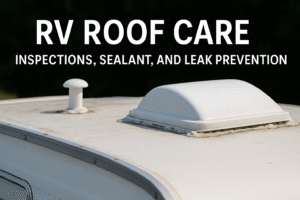
Your RV roof is the first line of defense against sun, rain, humidity, and debris—and yet it’s also one of the most overlooked parts of RV maintenance. A healthy roof protects everything inside your rig, from your electronics to your interior walls and flooring. Whether you’re staying long-term at Cape Kennedy RV Resort or traveling across the country, consistent roof care is essential to preventing leaks, costly repairs, and water damage that can ruin your RV.
Florida’s coastal climate adds even more importance to roof maintenance. Warm temperatures, strong UV rays, and afternoon rainstorms can take a toll on seals, caulking, and roofing materials. Over time, even small cracks or gaps can allow moisture to seep inside. By inspecting your roof regularly, especially during extended stays in sunny or humid areas like the Space Coast, you can prevent issues before they turn into expensive repairs.
The most important part of roof care is routine inspections. RV experts recommend inspecting your roof at least every 90 days—but in humid environments, monthly checks are even better. Look for signs of cracking, lifting edges, dried-out sealant, soft spots, or discoloration. These are early indicators that water could penetrate the roof membrane. Walking the roof carefully (if your roof is rated for foot traffic) allows you to spot problems that may not be visible from a ladder.
RV roofs come in several materials, including TPO, EPDM rubber, fiberglass, and aluminum. Each behaves differently under heat and UV exposure, but all require proper sealant and periodic upkeep. Rubber roofs, for example, are flexible but susceptible to chalking and UV degradation. Fiberglass roofs are strong but can develop hairline cracks. Knowing your roof type helps you choose the right products and maintenance approach.
Sealants are one of the most critical components of your roof’s integrity. Seams around vents, skylights, antennas, and air conditioners are the most common areas where leaks begin. Over time, sealants age, shrink, or separate from surfaces. Using the correct sealant—self-leveling lap sealant for horizontal surfaces and non-sag sealant for vertical seams—ensures a watertight barrier. A small amount of maintenance now can save thousands of dollars in repairs later.
It’s also important to check roof accessories like vent covers, skylights, solar panel mounts, and AC units. Even the smallest gap in these areas can allow rain to enter. A quick visual inspection during routine roof checks helps ensure these components stay securely fastened and properly sealed. Addressing wear early prevents larger areas of damage from developing over time.
Cleaning your roof is another crucial part of maintenance. Dirt, pollen, mold, and debris accumulate quickly in Florida’s warm climate. Regular cleaning prevents buildup that can hide cracks or damage. Use a gentle RV-safe cleaner and a soft brush to remove grime without damaging the roof membrane. A clean roof also keeps rain and condensation flowing properly toward the gutters instead of pooling.
UV protection is especially important in sunny regions like Cape Kennedy RV Resort. Florida’s sun can cause roofs to dry, fade, or degrade prematurely. Many RV owners apply UV-protective treatments to rubber roofs to help extend their lifespan. These conditioners moisturize the material and slow down cracking, chalking, and brittleness caused by constant sun exposure.
Water pooling is another preventable hazard. If you notice standing water on your roof after a rainstorm, it may indicate sagging, weak spots, or drainage issues. Pools of water accelerate wear and increase the chance of leaks. Identifying and correcting these issues early prevents further deterioration and protects your RV’s structure.
One often-ignored area of roof care is the edges. Water damage frequently begins where the roof meets the RV’s sidewalls. Inspect corner molding, edge trim, and screw covers to ensure they remain tightly sealed. These areas endure constant movement while traveling and can loosen over time, creating small gaps that become major leaks during Florida’s heavy rains.
Inside the RV, signs of roof problems include bubbling wallpaper, soft ceilings, musty odors, or sudden discoloration. If you notice any of these, address them immediately—roof leaks spread quickly and often remain hidden until significant damage has occurred. Early detection is your best defense.
Consistent roof maintenance protects the value, safety, and comfort of your RV. At Cape Kennedy RV Resort, where sunshine, humidity, and coastal weather are part of everyday life, taking care of your roof ensures worry-free living all season long. With regular inspections, proper sealant care, and timely cleaning, you can prevent leaks, avoid costly repairs, and keep your RV ready for every adventure on Florida’s Space Coast.
📍1880 Williams Rd, FL
For any questions or concerns please reach out to us
📞 (863) 675-0006