

How to Safely Use RV Jacks & Stabilizers Without Causing Frame Damage
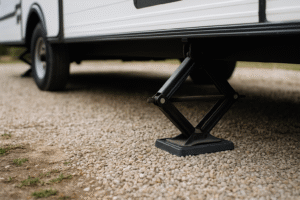
Improper use of jacks and stabilizers is one of the most common causes of hidden RV frame damage. While these tools make your RV level and comfortable, using them incorrectly can bend the frame, damage slideouts, twist doors, or even crack cabinets. Whether you’re staying short-term or setting up for a seasonal stay at Cape Kennedy RV Resort, understanding how to use your jacks and stabilizers safely protects both your rig and your wallet.
The first step is knowing the difference between jacks and stabilizers. Jacks—such as tongue jacks or leveling jacks—are designed to support the weight of the RV and help level it. Stabilizers, on the other hand, are NOT meant to lift your RV. Their only purpose is to reduce movement once the rig is properly leveled. Confusing these two functions is one of the fastest ways to bend a frame.
Before using any leveling equipment, start by parking on the most level part of your site. Your jacks—manual, electric, or hydraulic—work best when they only need to make minor adjustments. At Cape Kennedy RV Resort, most sites are already level, but even small slopes require attention. Minimizing how much lifting your jacks have to do reduces strain on your frame and prolongs the life of the equipment.
For towable RVs, always level side to side first using leveling blocks under the wheels. Never try to lift one side of a travel trailer or fifth wheel using stabilizer jacks. These arms are too weak to carry weight and will buckle or bend. Once the wheels are level, use your front tongue jack or landing gear to level front to back.
Hydraulic leveling systems—common on larger fifth wheels and motorhomes—make leveling easier, but they still require caution. Always consult your manufacturer’s instructions for jack placement and sequence. Using automatic leveling before unhitching, or lowering jacks on soft ground without support pads, can cause unnecessary twisting or sinking.
Once the RV is fully level, then deploy your stabilizers. Stabilizers should be extended just enough to touch the ground and remove bounce—not to lift. If they lift even a fraction of the RV’s weight, the force can travel through the frame and cause warping. Many RVers use stackable blocks under stabilizers to reduce how far the arms extend, giving more stability with less strain.
Stabilizing your steps and entrance area also improves comfort. When the RV door is stable, it prevents stress around the frame and hinge mounts. Portable step stabilizers or additional platforms reduce the “rocking” motion that happens when people enter or exit the RV.
Ground conditions matter, too. In Florida’s warm, sometimes soft soil, jacks can sink over time—especially after rain. Using jack pads or wooden blocks spreads the weight evenly and prevents sinking, tilting, or frame distortion. At Cape Kennedy RV Resort, this is especially helpful during humid months when the ground can soften unexpectedly.
Slideouts must always be operated after the RV is level but before stabilizers are deployed. Extending slideouts when the RV isn’t properly leveled can twist the frame and damage the slide mechanism. Likewise, deploying stabilizers before extending slides can lock the frame in a stressed position. Following the correct order protects both the frame and the slide system.
When retracting everything before travel, reverse the process: pull in slideouts first, then retract stabilizers, then lower jacks and adjust height. Keeping the sequence consistent prevents accidental strain or misalignment.
It’s also important to regularly inspect your jacks and stabilizers for wear. Bent arms, loose bolts, cracked welds, or damaged pads can compromise the stability of your RV. Lubricating moving parts ensures smooth operation and helps prevent stripping or binding.
Finally, take your time during setup. Rushing through leveling and stabilizing is a major cause of long-term frame issues. A precise, careful setup means smoother slideouts, quieter interiors, fewer repairs, and a far more comfortable stay at Cape Kennedy RV Resort.
Correct use of RV jacks and stabilizers ensures your frame stays straight, your slideouts operate properly, and your RV remains safe and stable. With the right techniques, you’ll enjoy a level, comfortable, and rock-steady home on wheels—no frame damage, no costly repairs, and no surprises during your stay on Florida’s beautiful Space Coast.
📍1880 Williams Rd, FL
For any questions or concerns please reach out to us
📞 (863) 675-0006