

How to Properly Distribute Weight Inside Your RV to Improve Handling
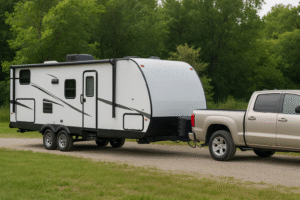
Weight distribution is one of the most important—and most misunderstood—factors affecting how an RV handles on the road. Even when your RV is well within its total weight limits, improper placement of cargo can create sway, poor steering response, slow braking, and an overall unstable feel. Understanding how to balance weight correctly helps ensure a smooth trip to destinations like Meadowlark Shores RV Resort.
When cargo is improperly distributed, the trailer’s center of gravity shifts. This affects the way the RV reacts to bumps, wind, and steering inputs. A balanced RV handles predictably, while an unbalanced one exaggerates every movement, making long trips more stressful.
The most important principle is keeping heavy items low and centered. Placing weight high inside cabinets or upper shelves raises the center of gravity, making the RV more top-heavy. This increases body roll during turns and makes the trailer more susceptible to crosswind sway.
Cargo should also be evenly distributed from side to side. If one side carries significantly more weight, the trailer will lean while driving. This uneven load can overload tires on one side, reduce braking efficiency, and cause the RV to drift or pull in one direction.
Front-to-back balance is equally critical. Too much weight toward the rear reduces tongue weight, making the RV more likely to sway. Too much weight toward the front increases tongue weight, overloading the tow vehicle’s rear axle and causing poor steering and braking.
Keeping about 60% of your cargo weight forward of the trailer’s axle is a good rule of thumb. This helps maintain an ideal tongue weight of 10–15% of the trailer’s total loaded weight. Proper tongue weight dramatically improves stability, especially during wind, passing traffic, and uneven road surfaces.
Fresh, gray, and black water tanks also play a surprising role in weight distribution. Depending on their location, filling or emptying them can shift hundreds of pounds. RVers should know where their tanks sit and how water movement affects overall balance during travel.
Slide-outs add another layer of complexity. When retracted, they shift substantial weight inward. When extended, they redistribute weight outward. Understanding where your slide mechanisms and appliances are located helps you avoid unintentionally overloading one side.
Securing cargo is essential. Even if weight is properly placed, items that shift during transit can change distribution mid-drive. Tools, food bins, grills, and heavy gear should be strapped, latched, or stored in compartments that prevent movement.
Tires also respond to weight distribution. When cargo is uneven, some tires carry more load than others, leading to uneven wear, overheating, and decreased traction. Equal weight helps all tires maintain similar contact pressure with the road.
Suspension systems work best when the RV is balanced. Uneven loads may overload leaf springs or torsion axles on one side, causing stress that shortens the life of suspension components. A well-distributed RV allows every part of the system to carry its intended load.
Before long trips, weigh your fully loaded RV using a CAT Scale or RV-specific weighing service. This gives you the most accurate picture of how your cargo, tanks, and equipment are affecting axle loads and tongue weight. Small adjustments after weighing can make a huge difference on the road.
By understanding how to properly distribute weight inside your RV, you can greatly improve handling, safety, and comfort. A well-balanced RV not only tows more smoothly but also protects your equipment, reduces driver fatigue, and ensures a confident, enjoyable journey to scenic destinations like Meadowlark Shores RV Resort.
📍1880 Williams Rd, FL
For any questions or concerns please reach out to us
📞 (863) 675-0006