

Buying Your First RV: What Dealers Won’t Tell You
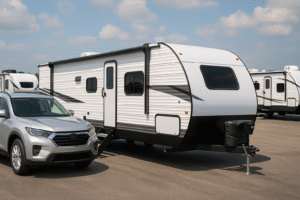
Buying your first RV is exciting, but it can also feel overwhelming—especially when dealers emphasize the shiny features and skip over what truly matters. First-time buyers often walk away with more questions than answers, and understanding what dealers don’t tell you can help you choose a safer, more practical RV for adventures that lead to Meadowlark Shores RV Resort.
One of the biggest surprises for new buyers is that advertised weight numbers rarely reflect real-world conditions. Dry weight doesn’t include propane, batteries, water, cargo, or upgrades. A trailer that “fits” your tow vehicle on paper may be several hundred pounds heavier once loaded, creating unsafe towing conditions.
Dealers also tend to highlight towing capacity but rarely discuss payload. Payload determines how much weight your truck can carry, including passengers, hitch equipment, and tongue weight. Many buyers unknowingly exceed payload long before reaching the trailer’s maximum weight.
Another truth dealers gloss over is build quality. Not all RVs are manufactured to the same standards, even within the same model line. Some units leave the factory with loose wiring, unsealed joints, or poorly aligned slide-outs. A thorough inspection is essential before signing paperwork.
Dealers may also understate maintenance requirements. RVs—especially travel trailers and fifth wheels—need routine roof checks, sealant inspections, bearing repacks, and brake adjustments. Ignoring these items leads to leaks, tire blowouts, and premature wear on major components.
One thing salespeople rarely mention is depreciation. New RVs can lose 20–30% of their value the moment they leave the lot. Many experienced RVers prefer lightly used models that have already been inspected, repaired, and broken in by previous owners.
Another hidden factor is tank size. A beautiful layout means little if your fresh, gray, and black tanks are too small for your camping style. Tank capacity determines how long you can boondock, how often you dump waste, and how comfortable extended stays will be.
Dealers often avoid discussing true sleeping capacity. While an RV may advertise “sleeps eight,” that number usually includes tiny bunks or convertible dinettes that aren’t comfortable for full-grown adults. Always test the sleeping areas yourself.
Storage is another overlooked element. Some layouts sacrifice storage for aesthetics, making it difficult to travel with the gear you need—especially for long stays at scenic riverfront resorts like Meadowlark Shores. Ample exterior storage is just as important as interior cabinetry.
Climate control is rarely explained in detail. Many RV air conditioners struggle in hot, humid states like Florida. Dealers may not tell you that insulation, ducting quality, and A/C placement matter more than the number of units installed.
Another thing buyers don’t expect is that RVs often need immediate adjustments. Cabinet latches, trim pieces, and minor plumbing connections may need tightening after the first few trips. This isn’t always a sign of poor quality—it’s simply the reality of a moving house.
Dealers also don’t emphasize how different RVs tow. A beautiful, spacious trailer isn’t enjoyable if it handles poorly behind your vehicle. Factors like axle placement, tongue weight, tire quality, and suspension design dramatically affect stability.
By understanding what dealers won’t tell you, first-time buyers can avoid common mistakes and make a more informed decision. A well-chosen RV leads to smoother travels, safer towing, and more enjoyable stays at destinations like Meadowlark Shores RV Resort—where the real joy of RV ownership begins.
📍1880 Williams Rd, FL
For any questions or concerns please reach out to us
📞 (863) 675-0006