

How to Inspect RV Tires for Dry Rot, Sidewall Damage, and UV Wear
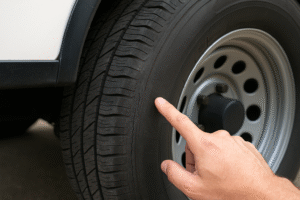
Your RV tires are the only thing connecting your home-on-wheels to the road, yet they are often one of the most overlooked components of RV maintenance. Florida’s intense sun, heat, humidity, and coastal conditions make tire care especially important for guests at Meadowlark Shores RV Resort. Knowing how to spot dry rot, sidewall damage, and UV wear early can prevent dangerous blowouts and costly roadside emergencies.
Dry rot is one of the most common issues affecting RV tires in warm climates. It occurs when rubber begins to break down from heat, age, and UV exposure. Dry rot appears as tiny cracks in the tread or sidewall and gradually spreads deeper over time. Even tires that look like they have plenty of tread can be structurally unsafe if dry rot is present.
Begin your inspection at the sidewalls. Look for cracking, checking, or spiderweb-like lines. These small cracks may seem harmless, but they indicate that the rubber is losing flexibility. When the sidewall becomes brittle, it can no longer flex properly under load, making blowouts far more likely—especially during long drives or hot days.
Next, check the tread area. Dry rot often begins where the tread meets the sidewall. If you see cracking between tread blocks or small splits along the outer edges, the tire is aging faster than normal. Florida’s sun accelerates this process significantly, meaning tires may reach end-of-life sooner compared to RVs stored in cooler, shaded climates.
UV wear is another major factor. Tires exposed to constant sunlight begin to fade, lose their deep black color, and take on a dull gray appearance. While discoloration alone isn’t always dangerous, it’s often the first sign that UV damage is occurring. Over time, UV exposure breaks down rubber compounds, leading to accelerated cracking, drying, and loss of elasticity.
Sidewall bulges are a more serious warning sign. A bulge usually indicates internal separation within the tire’s layers—often from hitting road debris, curbs, or potholes. A sidewall bulge is an immediate hazard and requires tire replacement. Driving on a bulged tire, even short distances, can result in sudden tire failure.
Pay close attention to the tire’s age. RV tires typically need replacement every five to seven years, regardless of tread depth. You can find the manufacturing date on the DOT stamp on the tire’s sidewall. The last four digits represent the week and year the tire was made. For example, “2320” means the tire was built in the 23rd week of 2020. In Florida’s climate, many RVers replace tires closer to the five-year mark due to sun exposure.
Inspect the valve stems as well. Rubber stems can dry out just like tires, leading to leaks or sudden air loss. If the stem looks cracked, discolored, or brittle, it should be replaced immediately. Metal valve stems are more durable and are often recommended for frequent travelers and full-time RVers.
Don’t forget to check tire pressure regularly. Underinflated tires generate excess heat, increasing the risk of blowouts, especially in warm weather. Overinflated tires wear unevenly and are more susceptible to damage from road impacts. The correct PSI is listed on the RV’s data plate—not the pressure written on the tire itself.
If your RV is parked for long periods at Meadowlark Shores, use tire covers to shield the rubber from direct sunlight. Parking on solid surfaces such as boards or pads also prevents moisture absorption from the ground. Rotating the RV occasionally during long stays relieves pressure on the same section of the tire, reducing flat-spotting and sidewall stress.
Routine tire inspections are simple but essential. Catching dry rot, UV wear, and sidewall issues early can prevent dangerous failures, protect your RV, and keep your travels smooth and safe. With proper care and attention, your RV tires will deliver reliable performance throughout your stay at Meadowlark Shores RV Resort and wherever the road leads next.
📍1880 Williams Rd, FL
For any questions or concerns please reach out to us
📞 (863) 675-0006